Empowering Families & Communities
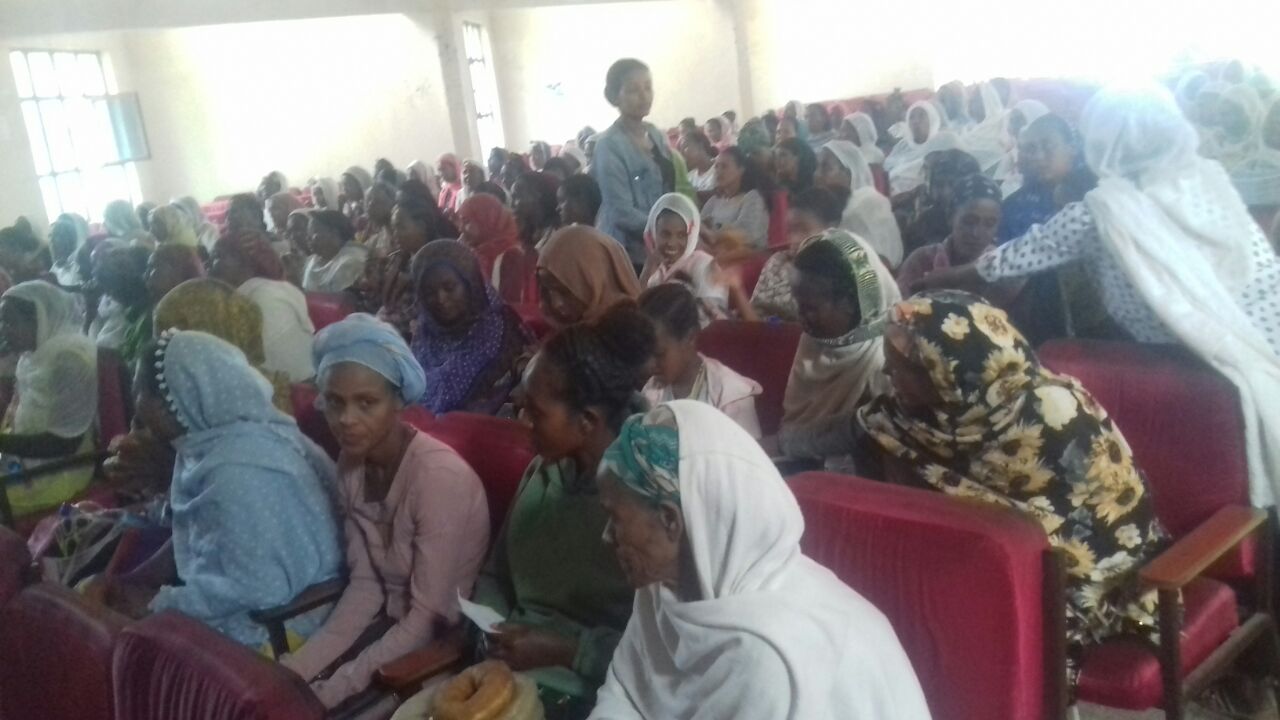
Family Service Association (FSA) is a non-governmental, non-partisan, non-profit organisation dedicated to the social and economic empowerment of women, youth, and communities across Ethiopia.
Economic Empowerment
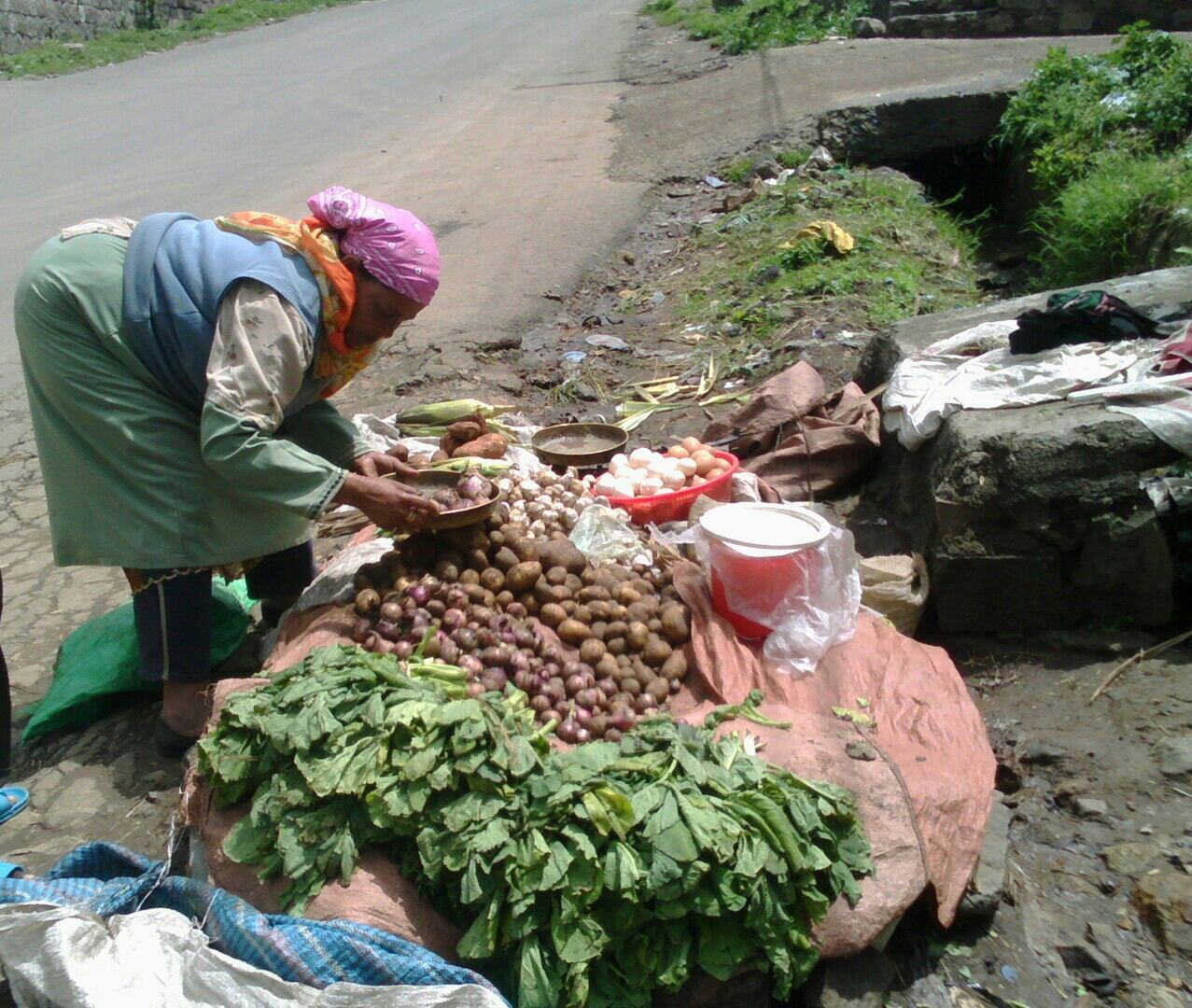
Economically empower women and youth to create jobs and generate profitable income from skills-based activities.
Environmental Protection
Mobilise communities for environmental protection, improved sanitation, and hygiene standards.
Health Awareness
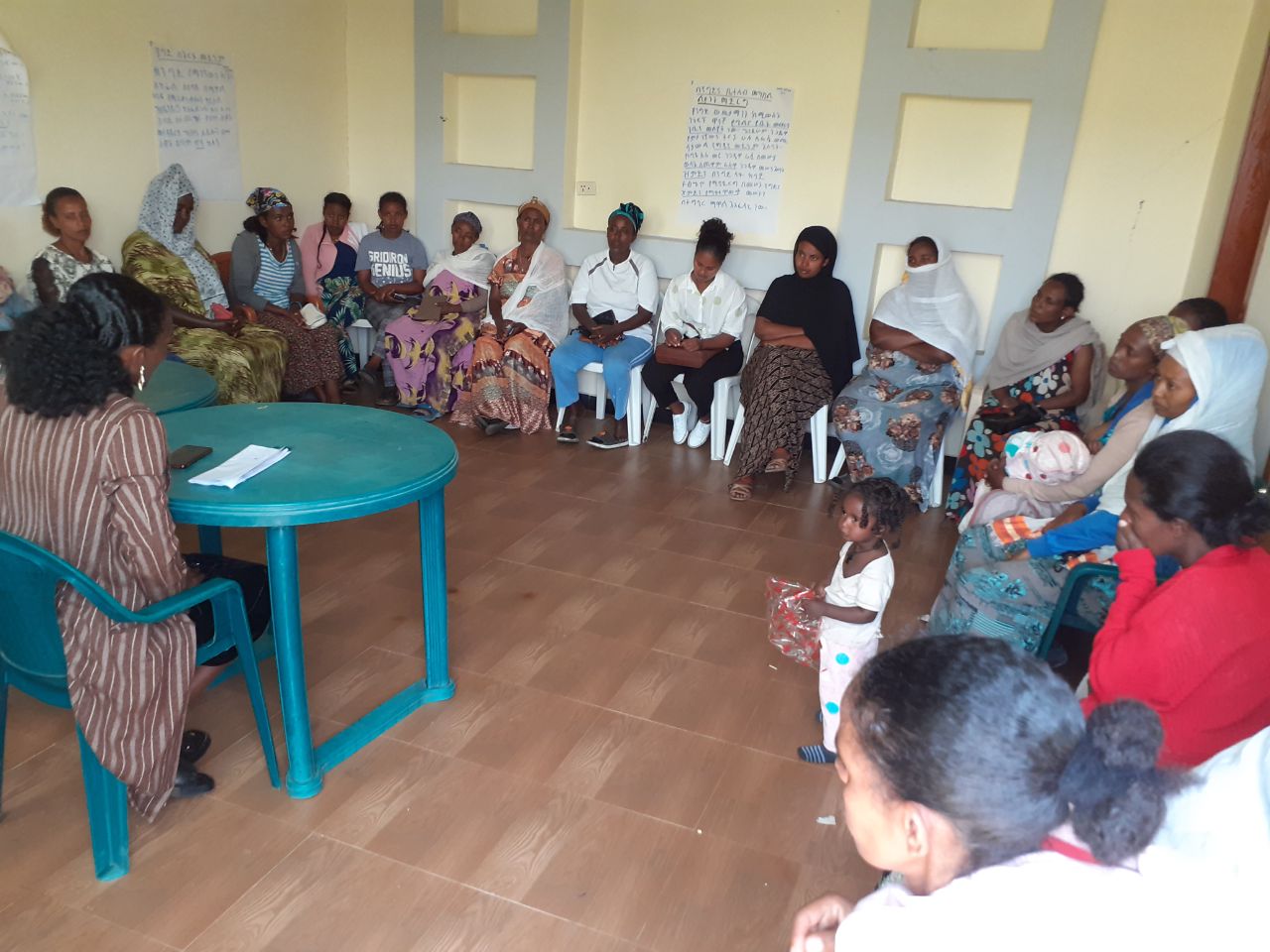
Raise awareness on RH/FP, HIV/AIDS, HTPs, and GBV/VAW among women, men, boys and girls.
Human Rights Advocacy
Advocate for women's human rights and empowerment, mobilising the community for lasting change.
Human Rights Advocacy
Advocate for women's human rights and empowerment, mobilising the community for lasting change.
Quality Education
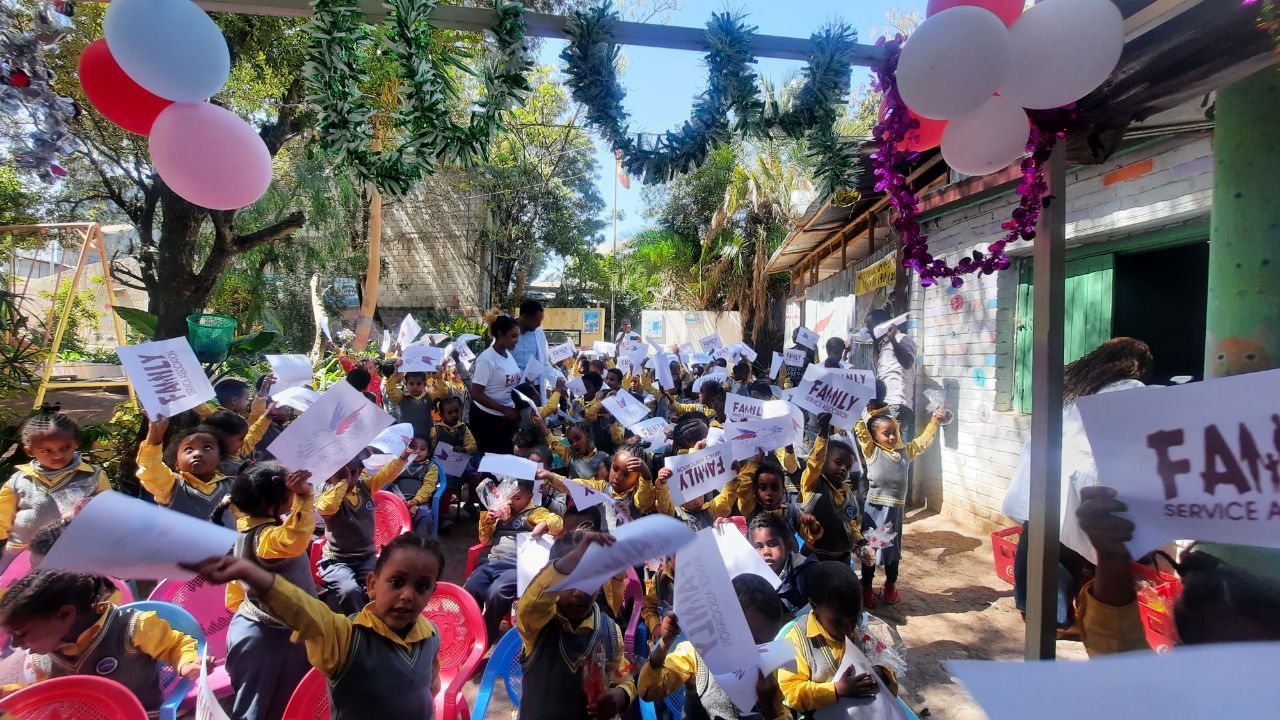
Contribute towards achieving quality education for all members of the community.
A Society Where Everyone is Empowered
FSA was established in 2000 by a group of volunteer Ethiopian professionals with rich experience in gender, human rights, RH/FP, and HIV/AIDS. We were re-registered in 2010 under the Charities and Societies Law, guided by Ethiopia’s Ministry of Justice.
We work to alleviate the socio-economic problems of women, youth, children, and other disadvantaged segments of society — responding to the increasing incidents of violence against women.
Our Mission
To support individuals, families and communities to achieve a better quality of life — through empowerment, advocacy, and integrated service delivery.
Our Vision
A society in which everyone is socially and economically empowered.
What We Do
Project Areas
FSA implements a wide range of projects across multiple thematic areas to address the complex needs of marginalised communities.
Economic Empowerment
Provision of Basic Business Skills training, Community-Based Development Programs, and Temporary Shelter for poor and marginalised women.
WASH Projects
Promotion of environmental sanitation and personal hygiene through provision of clean water and toilet facilities.
Training for Self-Employment
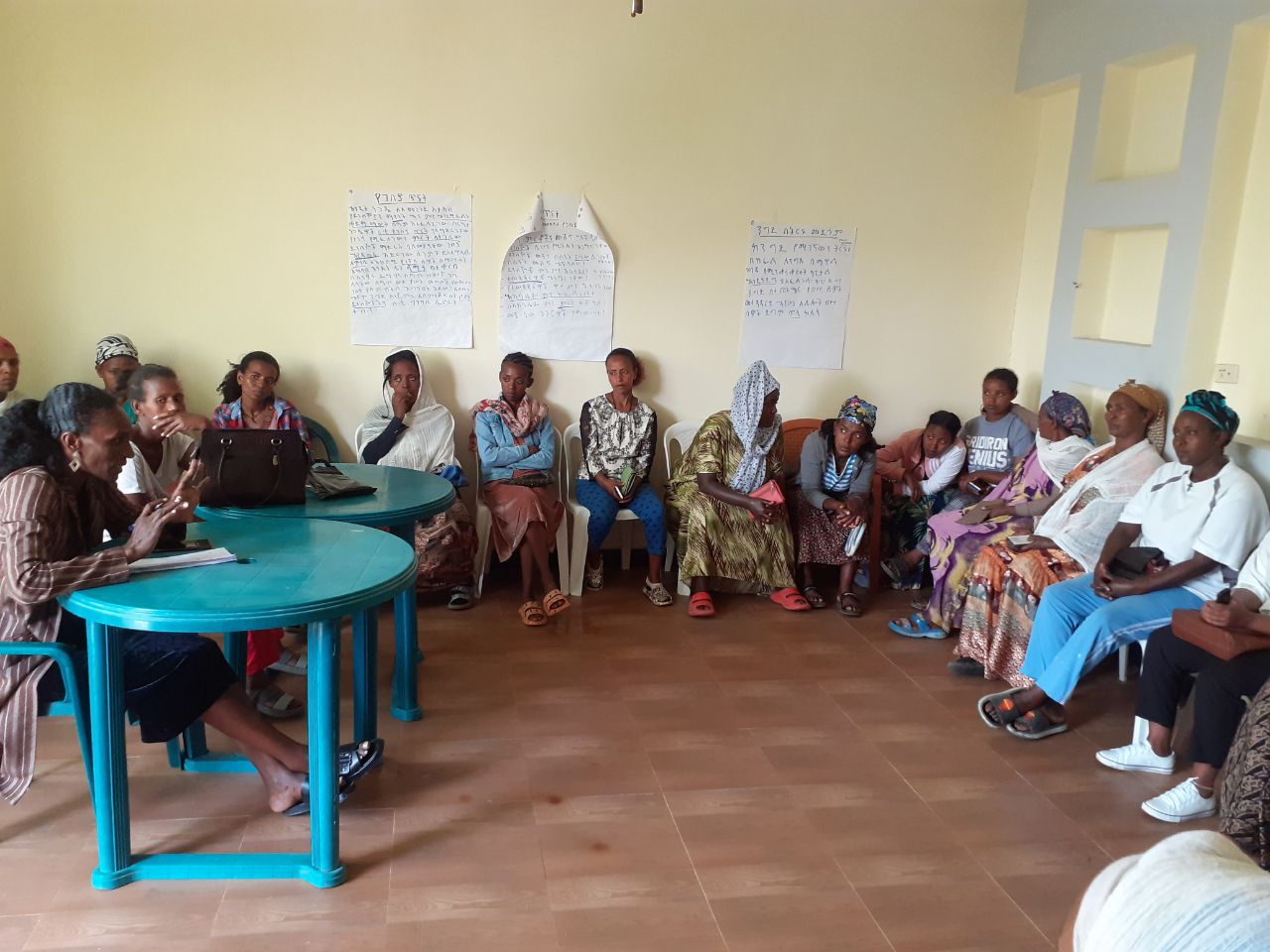
Skills training programmes for women and young girls to generate income and achieve economic independence.
School-Based Social Work
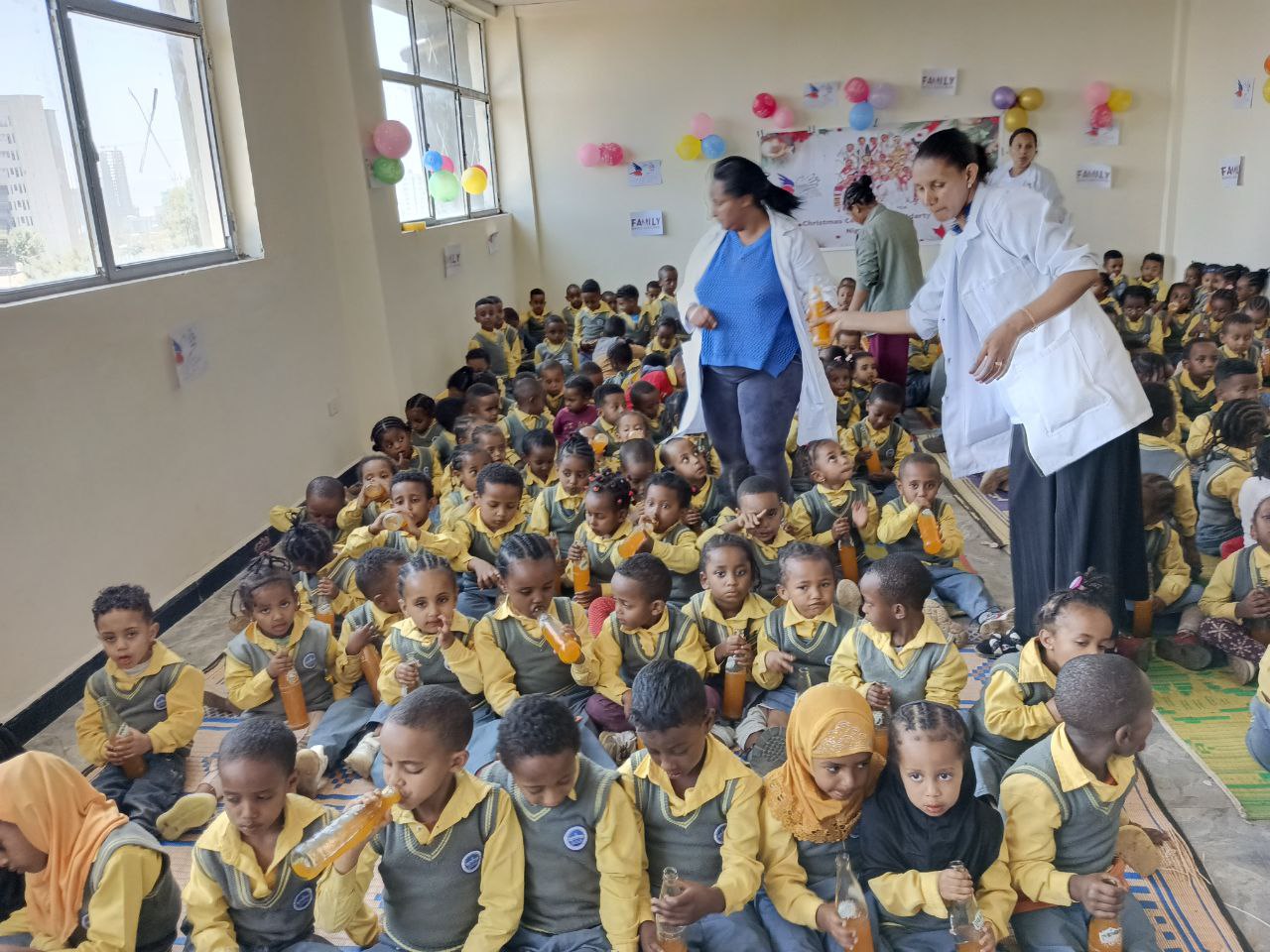
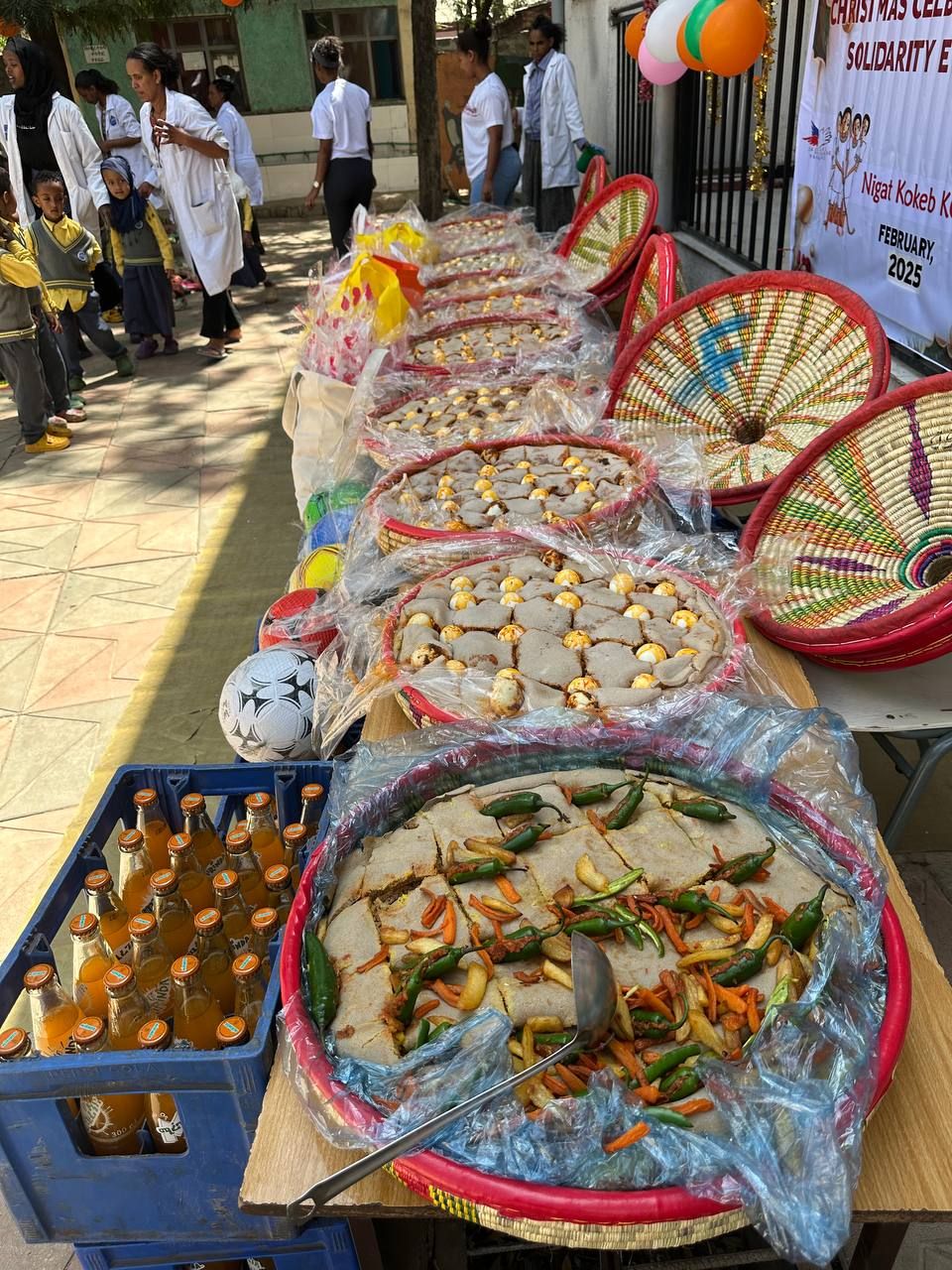
School feeding and social work interventions including life-skills training and child protection support.
GBV Rehabilitation
Establishment of temporary shelters and awareness creation for survivors of Gender-Based Violence through FP/HIV/AIDS, GBV, and IGA programmes.
Reproductive Health
RMNH interventions including FP/HIV/AIDS, IGA business skills, and family matters counselling.
Leadership & Structure
Governance & Management
FSA is governed by a Board of Directors elected by the General Assembly, which gives all supreme decisions and overall policy direction.
Management & Staffing
The Secretariat is headed by the Director who manages day-to-day program activities, administrative matters, and qualified technical staff across various disciplines. All operations follow universally accepted standards of transparency, community participation, and accountability.
Three-Year Strategic Plan
FSA operates under a Strategic Plan and Management (SPM) document that guides its strategic direction, action plans, human resources, and monitoring and evaluation systems.
Where We Work
Project Locations
Our work spans multiple regions across Ethiopia, reaching some of the most underserved communities.
How We Work
Program Intervention Strategies
Our multi-pronged approach integrates community participation, referral systems, and capacity building to create lasting impact.
Integration of Services
Holistically combining health, economic, education, and psychosocial services for comprehensive community support.
Community-Centred Work
Working together with the community and networking with NGOs, FBOs, and government bodies for coordinated action.
Referral Linkages
Creating robust referral systems to ensure individuals can access the full range of services they need.
Community Capacity Enhancement
Building local capacity through our Community Capacity Building (CC-CCB) methodology for sustainable growth.
Peer Education & Influence
Empowering community members as peer educators to drive behaviour change from within the community.
Door-to-Door Education
Reaching every household through direct outreach to ensure no community member is left behind.